
Exploring the Value of Diverse Art Forms in Your Collection Journey
By Amara Nakamura · · 4 min read
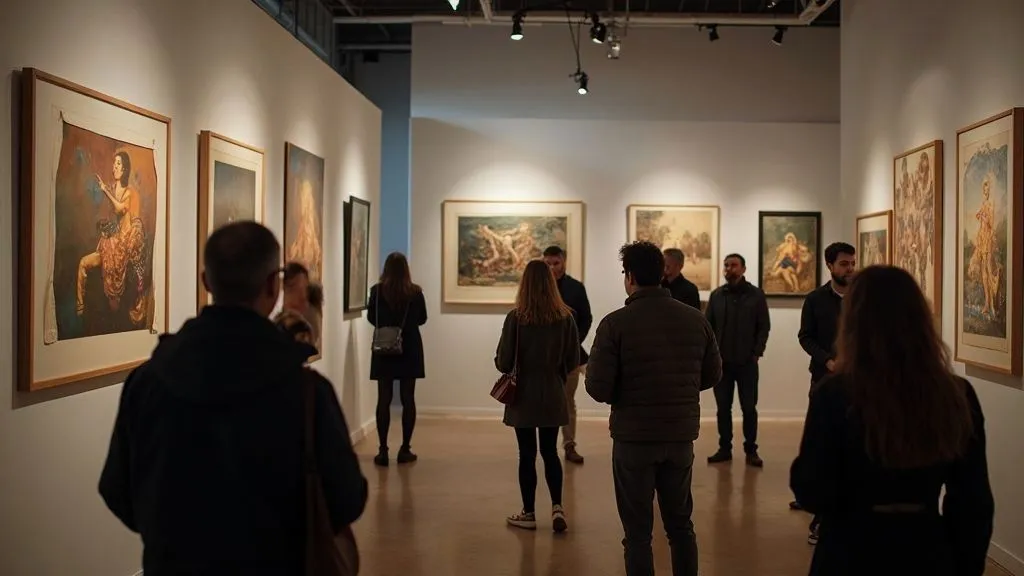
Collecting art is more than a mere hobby; it is an enriching journey that can enhance your life while potentially offering financial rewards. Many collectors start with specific types of art, such as paintings or sculptures, but as their enthusiasm grows, they often find themselves venturing into different genres, styles, and mediums. This exploration not only broadens one’s aesthetic appreciation but also adds tangible value to a collection. In this article, we will delve into how incorporating various kinds of art can elevate your collection, both emotionally and financially.
The Emotional Value of Diversity in Art
Art serves as a reflection of human experience, emotion, and culture. Each piece tells a story, allowing collectors to connect with different narratives and perspectives. When you diversify your collection, you open yourself to a wider array of emotions and ideas.
Broadened Perspectives
For instance, adding contemporary art to your collection can provide a fresh, modern viewpoint that contrasts with classical pieces. A juxtaposition of traditional and contemporary works can spark conversations, inspiring curiosity and debate among your peers. This engagement enhances the social value of your collection, making it not just a private endeavor but also a community experience.
Cultural Richness
Art from different cultures brings stories and histories that can deepen your appreciation for global diversity. Collecting indigenous art forms, for example, offers insights into the traditions and beliefs of various communities. This cultural richness adds a layer of meaning to your collection, elevating it beyond mere decoration to a canvas of shared human experience.
The Financial Benefits of a Varied Collection
While the emotional resonance of art is paramount, financial considerations also play a critical role in art collecting. A diverse collection can be seen as a more stable investment.
Risk Mitigation
Investing in a wide range of art forms can serve as a safeguard against market fluctuations. For example, if the market for one genre of art declines, pieces from another category may still hold their value or appreciate. In 2021, the global art market was valued at approximately $65 billion, with specific segments showing growth even during economic downturns. Thus, a balanced collection can mitigate risks while maximizing potential returns.
Enhanced Value Appreciation
Art is often a long-term investment, and diverse collections can appreciate over time. For instance, while contemporary art may fluctuate in value, classic pieces from renowned artists tend to appreciate steadily. The key is to maintain a mix that appeals to both your personal taste and market trends. A $5 billion industry relies on collectors who understand that variety can lead to better investment opportunities.
Types of Art to Consider for a Well-Rounded Collection
To create a collection that is both aesthetically pleasing and financially savvy, consider incorporating the following types of art:
Paintings
Traditional paintings, whether oil, acrylic, or watercolor, are timeless. Look for pieces that resonate with you personally, as emotional connections often lead to better care and appreciation over time.
Sculptures
Sculptures can add a three-dimensional aspect to your collection. From large outdoor pieces to small indoor sculptures, these works can dramatically change the atmosphere of a space and can often be more visually engaging than flat art.
Photography
Photography has gained recognition as a legitimate art form, with many contemporary photographers creating works that are compelling both artistically and as investments. Limited edition prints can provide affordability while still offering a chance for appreciation.
Mixed Media
Mixed media art combines various materials and techniques, offering a unique approach that can be visually striking. This genre often pushes the boundaries of traditional art, making it a favorite among contemporary collectors.
Digital Art
As technology advances, digital art has emerged as a significant player in the art market. NFTs (non-fungible tokens) have added a new layer of collectibility, allowing buyers to own unique digital pieces. This genre may still be in its infancy, but its potential is extraordinary.
Local and Emerging Artists
Supporting local talent is not only fulfilling but can also yield financial benefits. Emerging artists often have lower price points, and investing in their work early on can lead to significant returns as they gain recognition in the art world.
Curating Your Collection: Strategies for Success
With so many options available, how do you curate a diverse and valuable collection? Here are a few strategies to consider:
Research and Networking
Engage with the art community. Attend gallery openings, art fairs, and exhibitions. Networking with other collectors and artists can provide insights into emerging trends and valuable pieces.
Stay Informed on Market Trends
Understanding market dynamics is crucial. Subscribe to art publications, follow industry news, and consult with art advisors to keep abreast of market trends and values.
Personal Connection
While investment potential is important, never underestimate the value of personal connection. Each piece should resonate with you, offering not just investment potential, but also joy and inspiration in your everyday life.
Flexibility and Openness
Be open to exploring new genres and styles. Sometimes the most rewarding pieces come from unexpected places. Flexibility allows you to adapt your collection over time, ensuring it remains vibrant and engaging.
Conclusion
Collecting art is a journey that goes beyond ownership; it is an exploration of culture, emotion, and investment. By integrating diverse styles and forms into your collection, you can enhance both its emotional depth and financial potential. Whether it’s the joy of discovering a new artist or the thrill of watching your collection appreciate in value, the experiences that come with collecting art are as varied as the pieces themselves. Remember, a well-rounded collection not only reflects your personal taste but also represents a significant investment in the future.