
Key Considerations When Purchasing Limited Edition Art Prints
By Amara Nakamura · · 4 min read
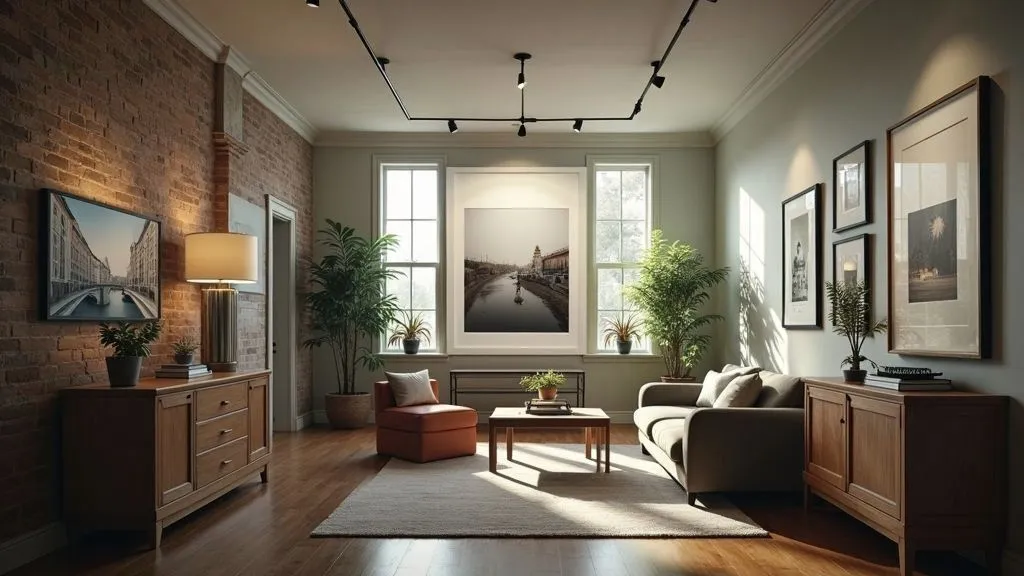
When thinking about adding limited edition prints to your art collection, it’s essential to approach the decision with care. These prints can be a significant investment, both emotionally and financially. Understanding the multifaceted aspects of this type of art can help you make an informed choice. Below are four crucial factors to consider when buying limited edition prints.
1. Understand the Edition Size
One of the defining characteristics of limited edition prints is the number of copies produced. The edition size can greatly influence the print’s value and desirability. A smaller edition typically means that the artwork is more exclusive, which can lead to higher prices and a greater potential for appreciation over time.
The Rarity Factor
For instance, a print run of 10 will likely be more coveted than one that has 100 copies. Collectors often seek pieces that are less common, as rarity can add to the artwork’s allure. When evaluating a limited edition print, always check the edition size and the number of prints available. The artist may also indicate whether the editions are signed and numbered, which can further enhance the print’s value.
Artist Reputation and Demand
The reputation of the artist plays a pivotal role as well. Established artists often have a more substantial following, leading to increased demand and potentially higher prices for their limited edition prints. The artist’s previous works and their current market standing can help you gauge future value.
2. Certification and Authenticity
Authenticity is crucial in the art world. Limited edition prints should come with appropriate documentation that verifies their authenticity. Certificates of authenticity (COAs) can provide assurance that the piece you’re purchasing is genuine and not a reproduction.
Investigating Provenance
Provenance, or the history of ownership of the artwork, is another aspect to consider. Knowing the print’s history can add to its value and significance. Ask the seller for details about the print’s past, as reputable galleries and dealers usually keep records that can provide insight into the work’s background.
Beware of Counterfeits
Unfortunately, the market can sometimes include counterfeit works, especially when it comes to popular artists. Be diligent in your research and only purchase from reputable galleries or dealers. This diligence can save you from potential financial loss and frustration down the road.
3. Condition of the Print
The condition of the limited edition print is another vital factor. Like any collectible item, the condition can impact both the aesthetic appeal and the value of the artwork. Examine the print carefully for any signs of damage, fading, or discoloration.
Proper Handling and Preservation
How the print has been stored and displayed can also affect its condition. Prints that have been kept in a controlled environment away from direct sunlight are generally in better shape than those that have been exposed to harsh conditions. Consider whether the artwork has been framed properly and if it uses archival materials that won’t damage the print over time.
Restoration Concerns
While some prints can be restored, it’s essential to understand how this might affect their value. Restorations can sometimes reduce the desirability of a piece, especially if not done correctly. Always ask for a detailed report if restoration has been performed on the print, as this will help you assess its current and future value.
4. Personal Connection and Aesthetic Appeal
Beyond investment potential, the personal connection you feel to a piece of art is one of the most important factors. Limited edition prints should resonate with you on an emotional level, whether through their color palette, subject matter, or the story behind the artist’s work.
Matching Your Style
Consider how the limited edition print fits into your overall aesthetic and decor. Does it complement your existing collection? Or do you envision it as a standout piece that draws attention? A print that speaks to you will not only enrich your space but also provide ongoing enjoyment for years to come.
Long-Term Satisfaction
Remember that art is often a long-term investment. If you’re drawn to a particular piece, think about how it will make you feel in the future. A painting that you love will likely continue to bring joy and meaning to your life, regardless of its monetary value.
Conclusion
Purchasing limited edition prints can be an exciting endeavor, offering a unique opportunity to own a piece of art history. By considering factors such as edition size, authenticity, condition, and personal connection, you can make informed choices that enhance your collection. Remember, art is not just an investment; it’s a reflection of your tastes and passions. Engage with the artwork, discover its story, and let it bring a touch of beauty into your life.